900 20th Avenue South, Minneapolis, MN 55404Detox Hotline: (612) 928-5905Main: (612) 230-4280
Home
About Us +
Services +
Partners Contact
Call Now Enroll Myself
Three Centers · One Continuum of Care

Take the first step toward recovery — where healing begins and hope grows.

Pathway to Recovery provides coordinated addiction care in Minneapolis, combining detox, Methadone Clinic, outpatient programming, mental health support, and aftercare planning so people can move from crisis care into long-term stability.

85%of patients relapse within a year of standard treatment. We built our model to change that.
6-12months of continued aftercare support after discharge — housing, jobs, legal, recovery.
3centers — Medical, Prevention, and Recovery — under one continuum of care.

Most Treatment Ends When Detox Does. Ours Doesn't.

Across America, recovery services are scattered. Detox is one facility. Methadone is another. Counseling is somewhere else. Housing assistance — if it exists — is a separate referral months later. The result is what the research already proves: 85% of people relapse within a year of treatment, most within weeks of discharge.

The Old Model — Disjointed Care

Traditional treatment often addresses the medical crisis, then sends people back into the same instability that helped create it.

  • Detox, medication, therapy, and recovery support happen in separate systems.
  • Patients must navigate referrals while they are still physically and emotionally depleted.
  • Housing, employment, and legal barriers are treated as someone else's problem.
  • Family support is inconsistent and aftercare often ends before stability begins.
  • People fall through the cracks during the exact weeks relapse risk is highest.

Connected Care — One Coordinated Path

Pathway brings addiction medicine, counseling, recovery support, and practical transition planning into one coordinated path designed around what real recovery actually requires.

  • One connected pathway from prevention and detox through long-term recovery support.
  • Addiction medicine, counseling, peer recovery, and social services coordinated together.
  • Six to twelve months of aftercare built into the care plan, not bolted on later.
  • Housing, workforce, education, and legal support included in recovery planning.
  • Designed specifically to interrupt the relapse cycle instead of reacting to it.

And the problem is getting worse, not better.

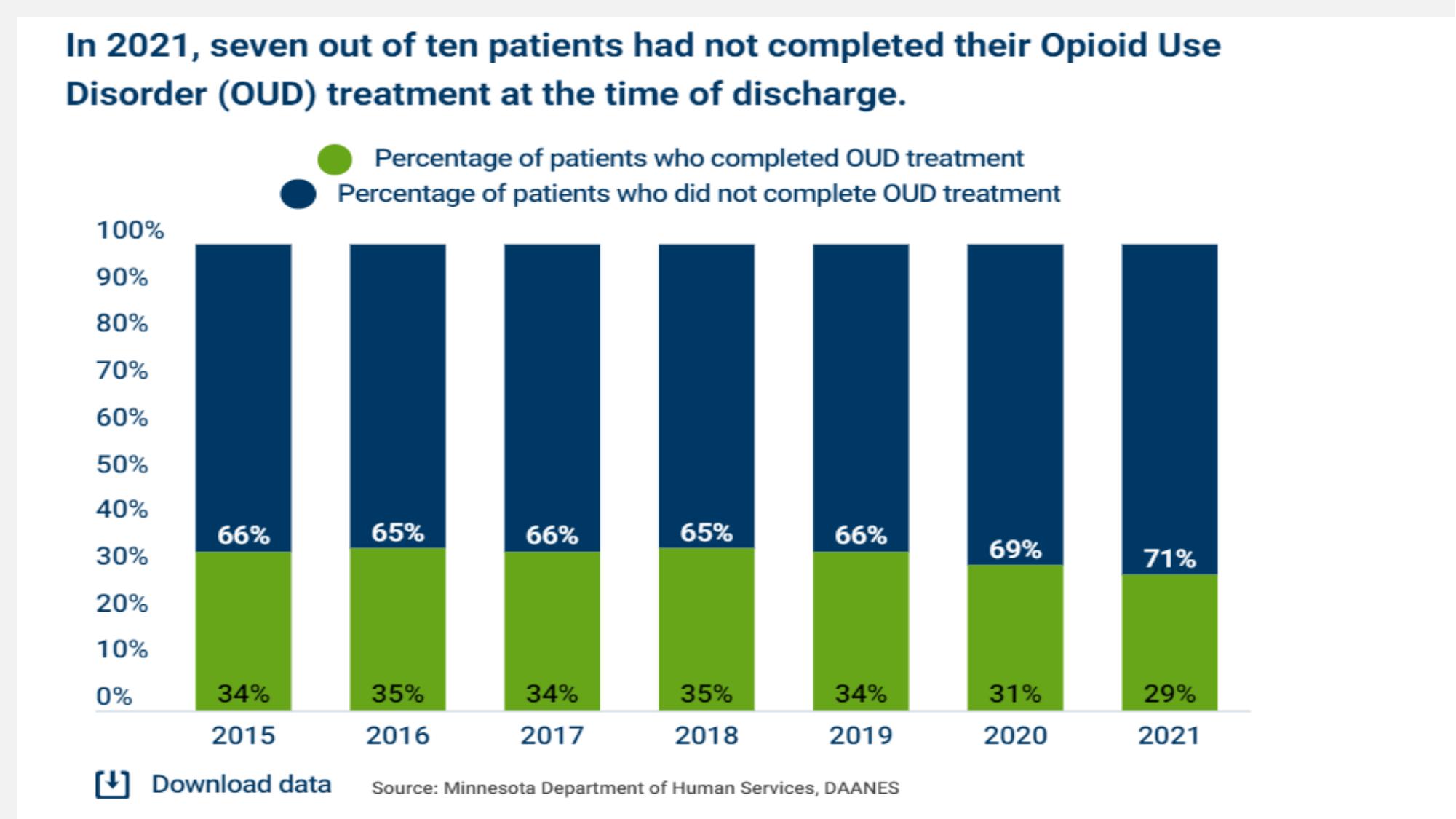
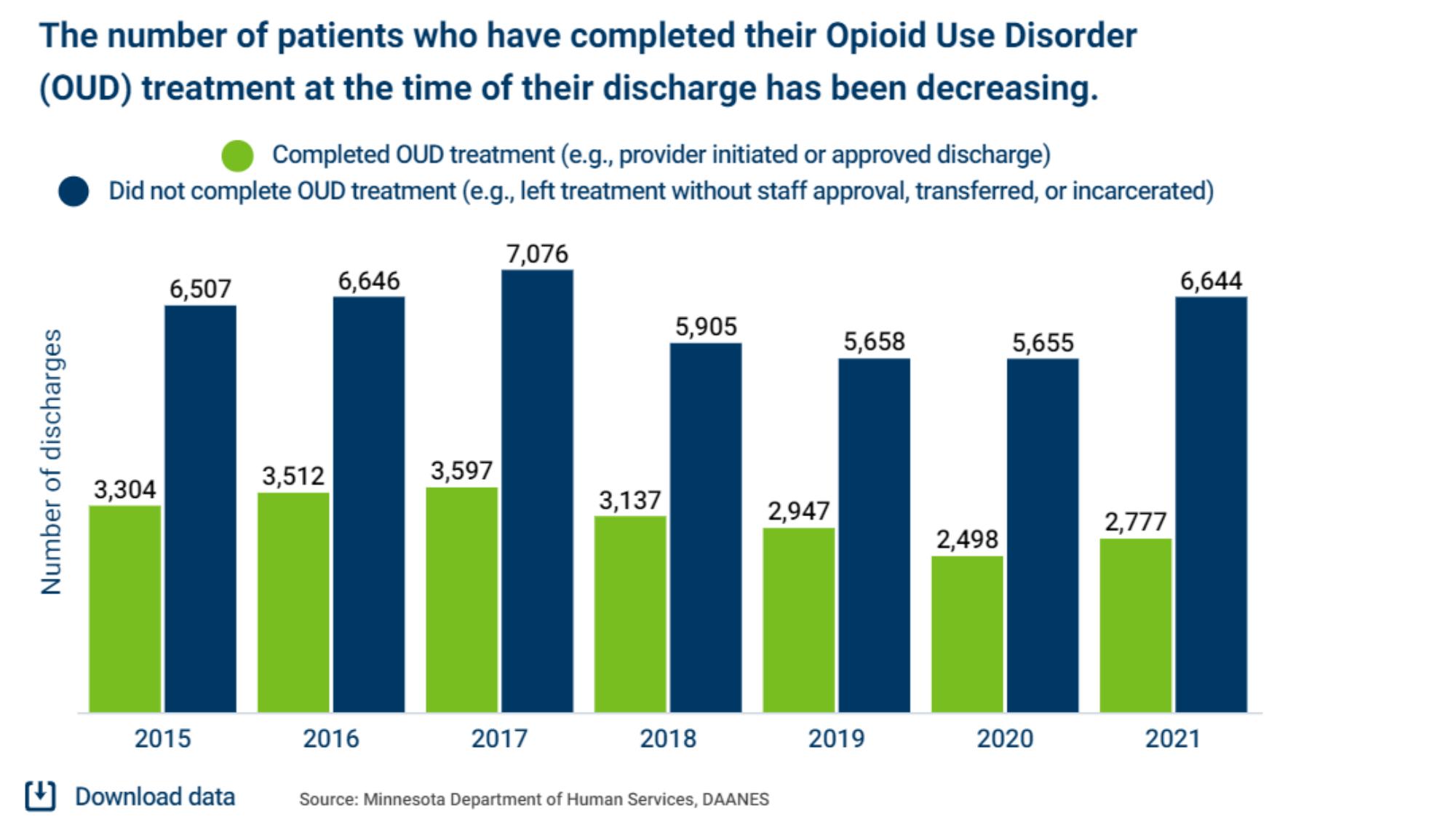
Minnesota OUD treatment completion decreasing graph
Number of patients completing vs. not completing OUD treatment at discharge in Minnesota, 2015-2021. Source: Minnesota Department of Human Services, DAANES.

Year after year, fewer patients complete treatment. Pathway responds with connected services, practical transition planning, and aftercare support that helps clients move from the first crisis into lasting stability.

Care Built for Each Stage of Recovery.

Each program is distinct. None of them stand alone. Every service below connects into the same continuum so your next step is already part of the plan.

Detox Program

24/7 medical supervision in a comfortable, dignified environment. Not the clinical-cold experience you might expect — TVs, iPads, family visits, smoke breaks, and round-the-clock care.

Learn more →

Methadone Clinic

Evidence-based medication therapy paired with counseling for opioid and alcohol use disorders. Capacity for 600+ patients daily at full operation. Treatment that meets you where you are.

Learn more →

Outpatient Programs

Three levels of structured outpatient care — from intensive partial hospitalization to maintenance support. Group therapy, individualized counseling, and the consistency that long-term recovery requires.

Learn more →

Aftercare & Recovery

6-12 months of continued support after primary treatment. GRH housing, GED programs, legal expungement, workforce training, and peer recovery services. We don't discharge you — we walk with you.

Learn more →

View All Services →

Recovery Includes Joy.

Recovery is more than therapy and medication. It's relearning what it feels like to move, to play, to be a person in a community. Through our partnership with the Phillips Community Center, every Pathway client has access to a full recreational program — at no extra cost.

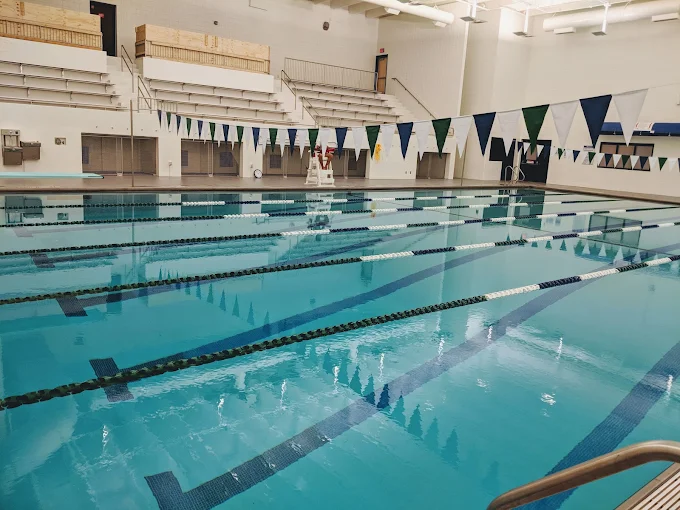
Phillips Community Center swimming pool

Full-Size Swimming Pool

Open swim sessions, water aerobics, low-impact recovery for clients managing chronic pain. Swimming is one of the most therapeutic forms of movement for clients in early recovery — meditative, low-stress, full-body.

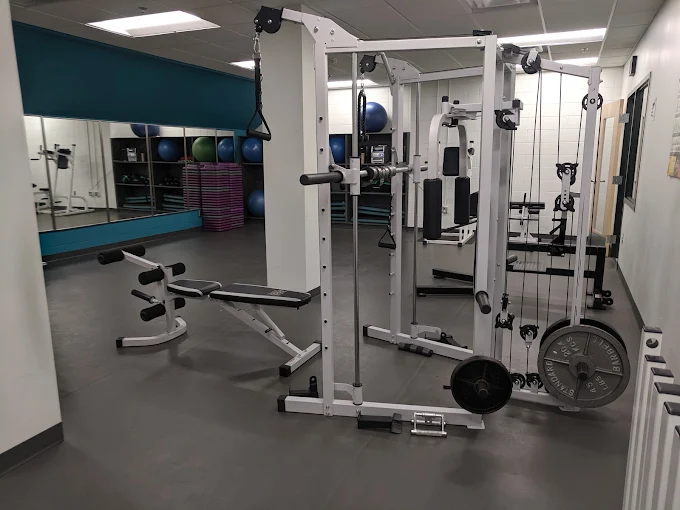
Phillips Community Center gym and weight room

Full-Service Gym & Weight Room

Strength training, cardio equipment, group fitness space. Clients can join basketball pickup games, soccer matches, and daily fitness sessions. Physical strength rebuilt alongside emotional strength.

Physical activity isn't optional in recovery — it's foundational. Phillips Community Center makes that access possible.

Built Around You, Not Around Hospitals.

Our facility was designed with one priority: dignity. The environment matters. The people you sit next to matter. The room where you start healing matters. Take a look inside.

See our full facility →

Ready to Begin Your Recovery Journey?

Our admissions team is available 24/7. The first call is the hardest one. Let's get you in.

The Mission Behind Pathway.

Minnesota needs a stronger answer.

The opioid epidemic is not slowing in Minnesota. In 2010, 229 Minnesotans died of opioid-involved overdose. By 2022, that number was 1,002 — a more than fourfold increase in a decade. The standard model of treatment has failed to keep up. This is the crisis Pathway to Recovery was built to address.
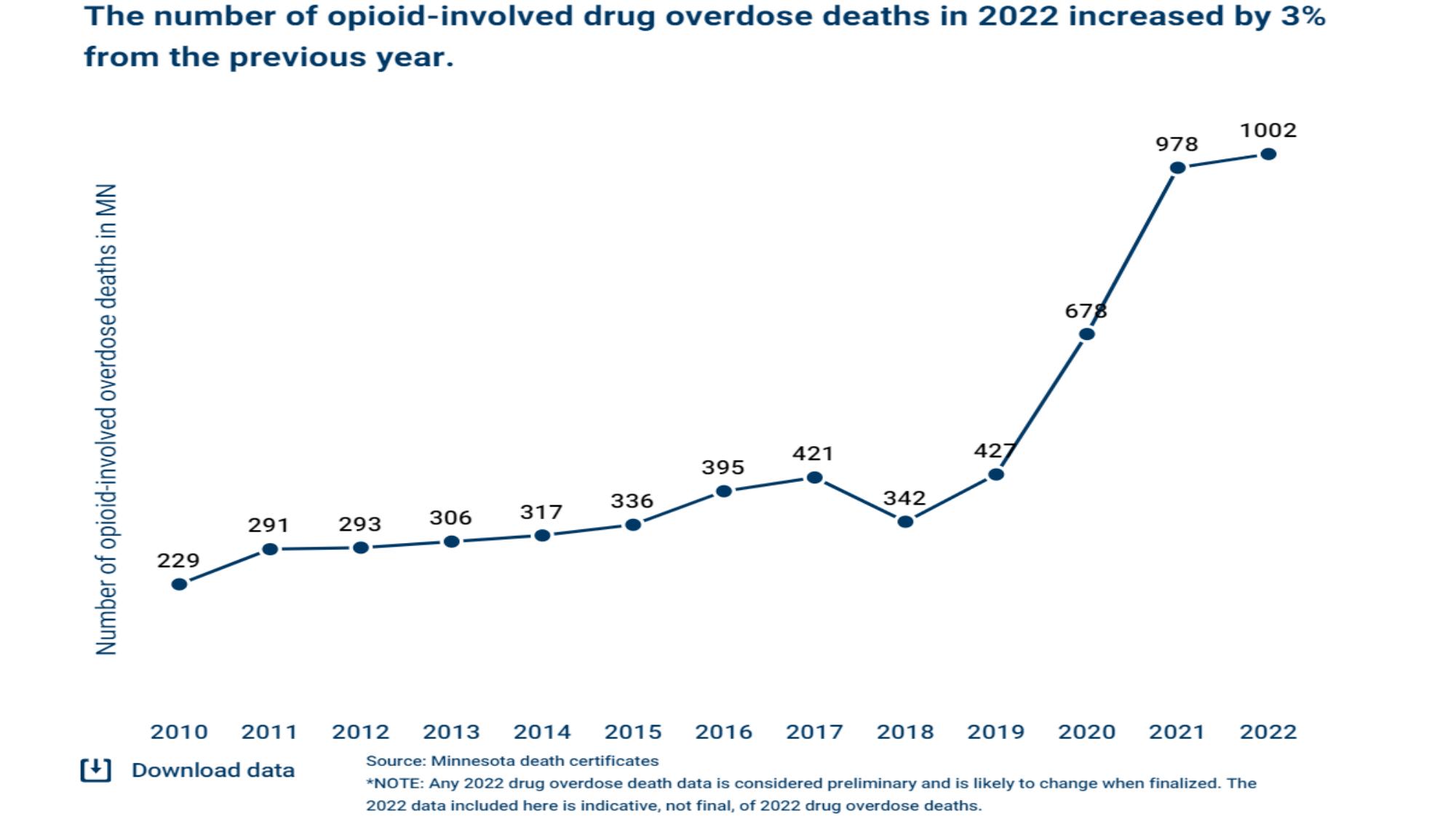
Minnesota opioid overdose deaths trend graph
Minnesota opioid-involved overdose deaths, 2010-2022. Source: Minnesota Department of Health death certificate data.

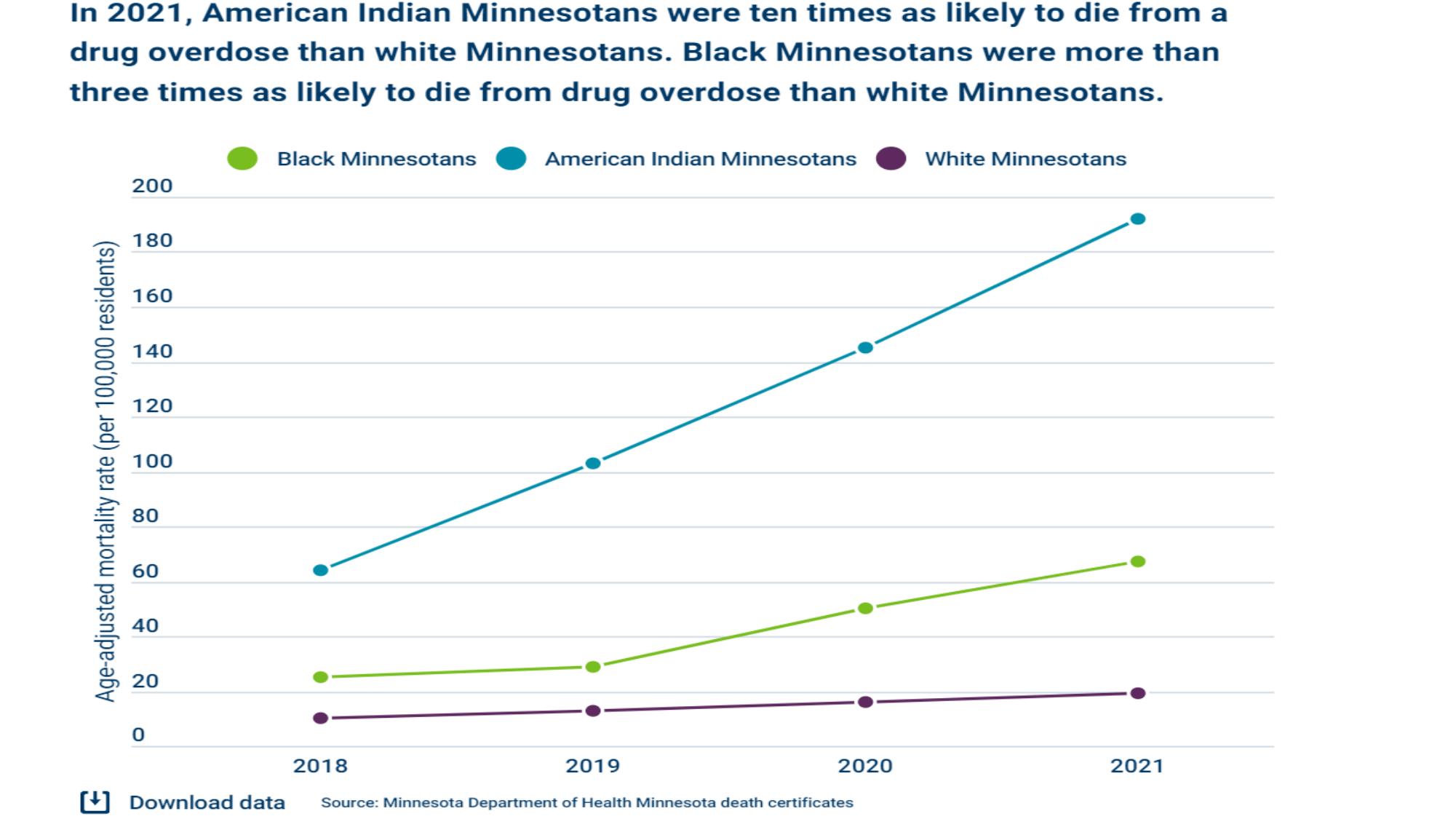
The crisis is not equally distributed. In 2021, American Indian Minnesotans died of overdose at ten times the rate of white Minnesotans. Black Minnesotans died at more than three times the rate. Equitable access to integrated, culturally aware treatment is not an add-on at Pathway — it is foundational.
Racial disparity in Minnesota overdose deaths graph
Racial disparity in Minnesota drug overdose mortality, 2018-2021. Source: Minnesota Department of Health death certificate data.

Treat the Whole Person. Walk With Them All the Way.

Pathway exists to challenge a broken model. Standard substance use disorder treatment in America discharges patients after 30 to 90 days and considers the work done — when the data shows that 85% of those patients will relapse within a year, most within weeks of leaving care.

Our mission is to close that gap. Through coordinated recovery care, we provide medical treatment, recovery services, and the social supports that determine whether recovery actually lasts.

That means housing support, employment pathways, legal stability, community reintegration, and long-term accountability. Every patient gets six to twelve months of post-treatment support as part of their care plan from the beginning.

We believe recovery is possible, but we also believe hope without structure is not enough. Pathway was built to provide both.

Most of the cost is paid after treatment fails.

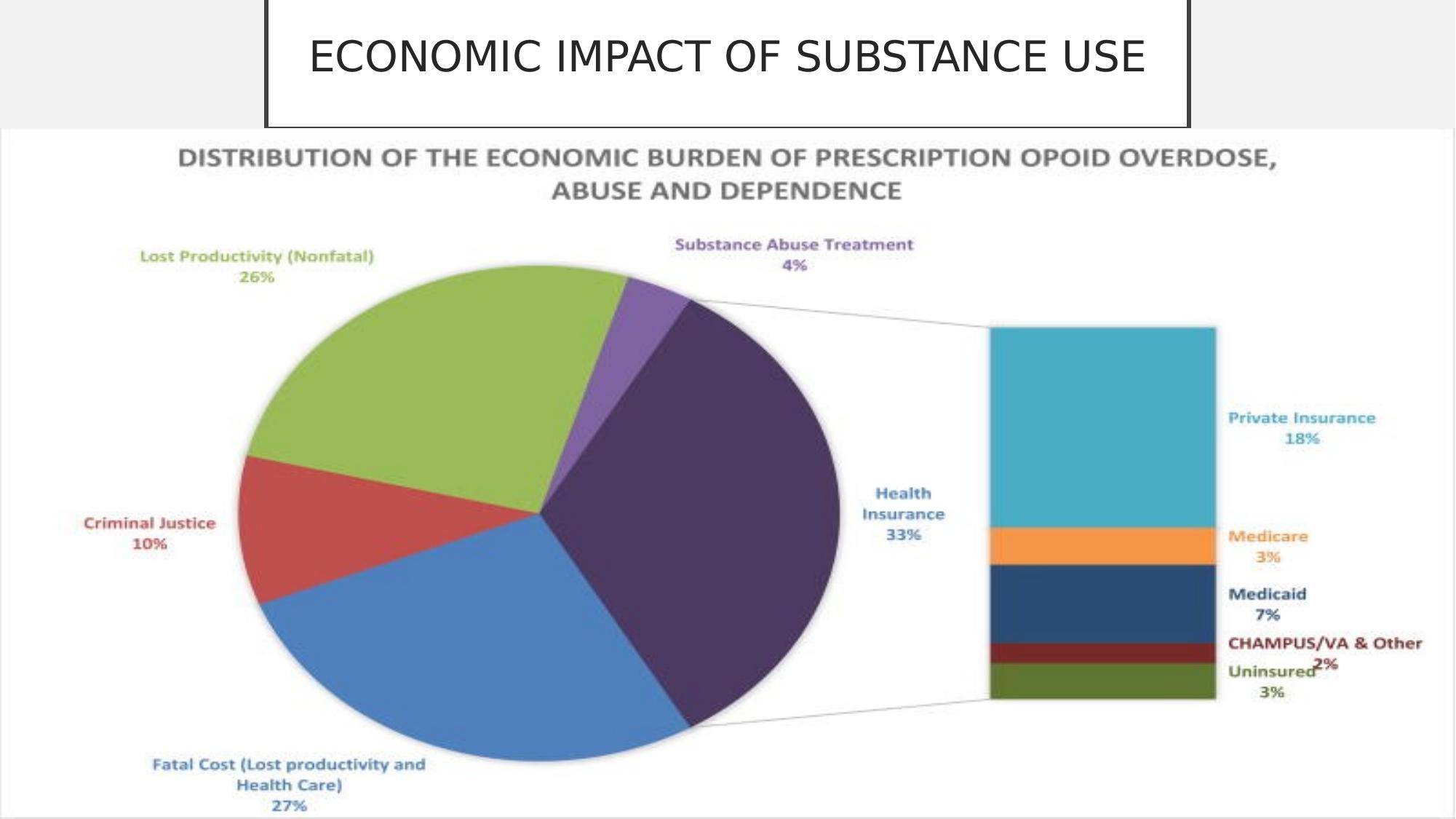
The economic burden of opioid use disorder in America is staggering. But look at where the money goes: only 4 cents of every dollar spent on opioid-related costs actually funds treatment. The other 96 cents is paid in lost productivity, healthcare emergencies, and criminal justice costs — the consequences of not treating, or not treating well enough. Pathway's coordinated care approach is built to shift that ratio.
Economic burden of opioid use disorder graph
Distribution of the economic burden of prescription opioid overdose, abuse, and dependence. Source: HHS / CDC.

Everything Under One Roof.

Pathway to Recovery is designed around a simple truth: addiction treatment works best when medical care, counseling, recovery support, and real-world stability are connected. Clients can move from detox into methadone treatment, outpatient programming, mental health services, and aftercare support without having to rebuild the plan at every step.

That coordination matters because recovery is not only a medical event. Housing, work, transportation, family support, and community all affect whether a person can stay well after the first crisis passes.

Dignity

People entering treatment are often carrying shame, fear, and exhaustion. We refuse to build care on humiliation. Every touchpoint — admissions, detox, counseling, housing support, follow-up — should reinforce that each person deserves respect while they recover.

Integrity

We tell the truth about recovery. It is difficult work, and it rarely follows a straight line. Our responsibility is to offer evidence-based treatment, clear expectations, honest communication with families and partners, and support that continues after the crisis moment has passed.

Innovation

Innovation, for us, means designing care around what the evidence shows people actually need. Pathway focuses on the gaps that leave too many people stranded after treatment. We build, study, and refine programs that close those gaps in practical ways.

The People Behind Pathway.

Pathway to Recovery is led by clinicians, educators, and community advocates who have built their careers around the conviction that recovery is possible — and that the standard model of care isn't enough. Meet our team.

Dr. Sadik A. Ali

Dr. Sadik A. Ali

Director of Operations

Dr. Sadik A. Ali is an Assistant Professor of Internal Medicine at the Mayo Clinic Health System in Southwest Minnesota, where he has led clinical research on substance use disorder treatment outcomes. He has helped build Pathway to Recovery around a simple observation: the standard model of addiction treatment treats the medical condition but ignores the social one — and that is why so many patients relapse.

Dr. Ali has helped shape Pathway around integrated medical care, recovery services, and the social determinants of health under one roof. He continues active clinical research in partnership with Winona State University and Mayo Clinic Rochester, studying how integrated aftercare changes long-term recovery outcomes.

MA

Maryan Ali

Human Resources Director

Maryan Ali leads Human Resources at Pathway to Recovery, overseeing the team that makes coordinated care operational every day. She manages clinical and support staff recruiting, training, credentialing, and the workplace culture that allows compassionate care to scale.

Her work ensures that every person who walks through Pathway's doors — patient, family member, or partner agency — meets a team that's been chosen and developed with care. Maryan brings administrative experience with deep attention to the human dimensions of healthcare staffing.

MA

Mohamed Ahmed

Outreach & Harm Reduction Specialist

Mohamed Ahmed coordinates Pathway's outreach and harm reduction services — the front line of Pathway's continuum of care. He works directly with community members who are not yet ready for formal treatment, connecting them to Narcan, hygiene supplies, safe-use education, and the social workers who can help with housing, healthcare coverage, and legal needs.

Mohamed's role embodies one of Pathway's core principles: meet people where they are, keep them safe, and keep the door to treatment open whenever they're ready to walk through it.

Designed for Dignity, Built for Healing.

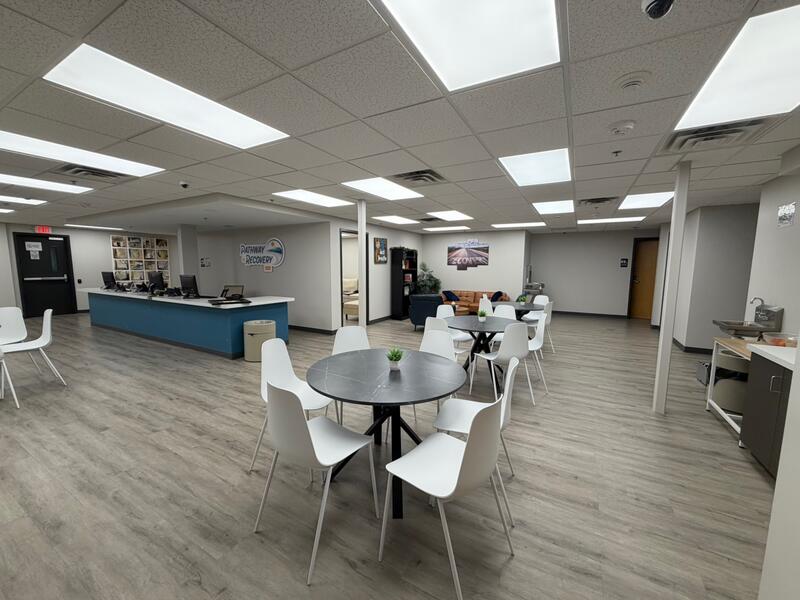
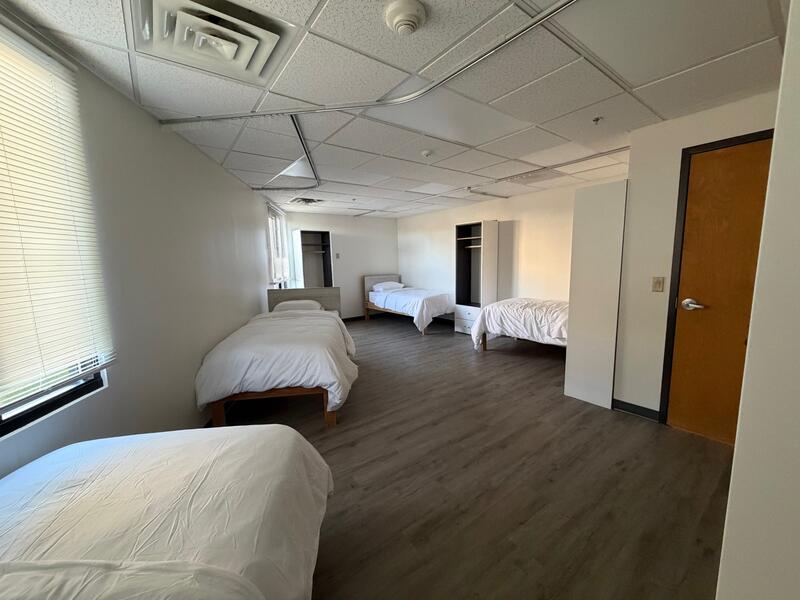
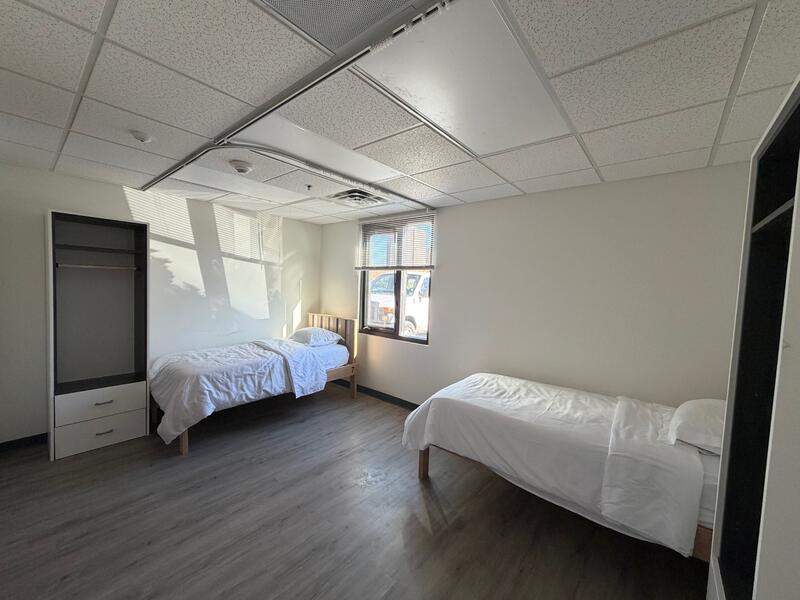
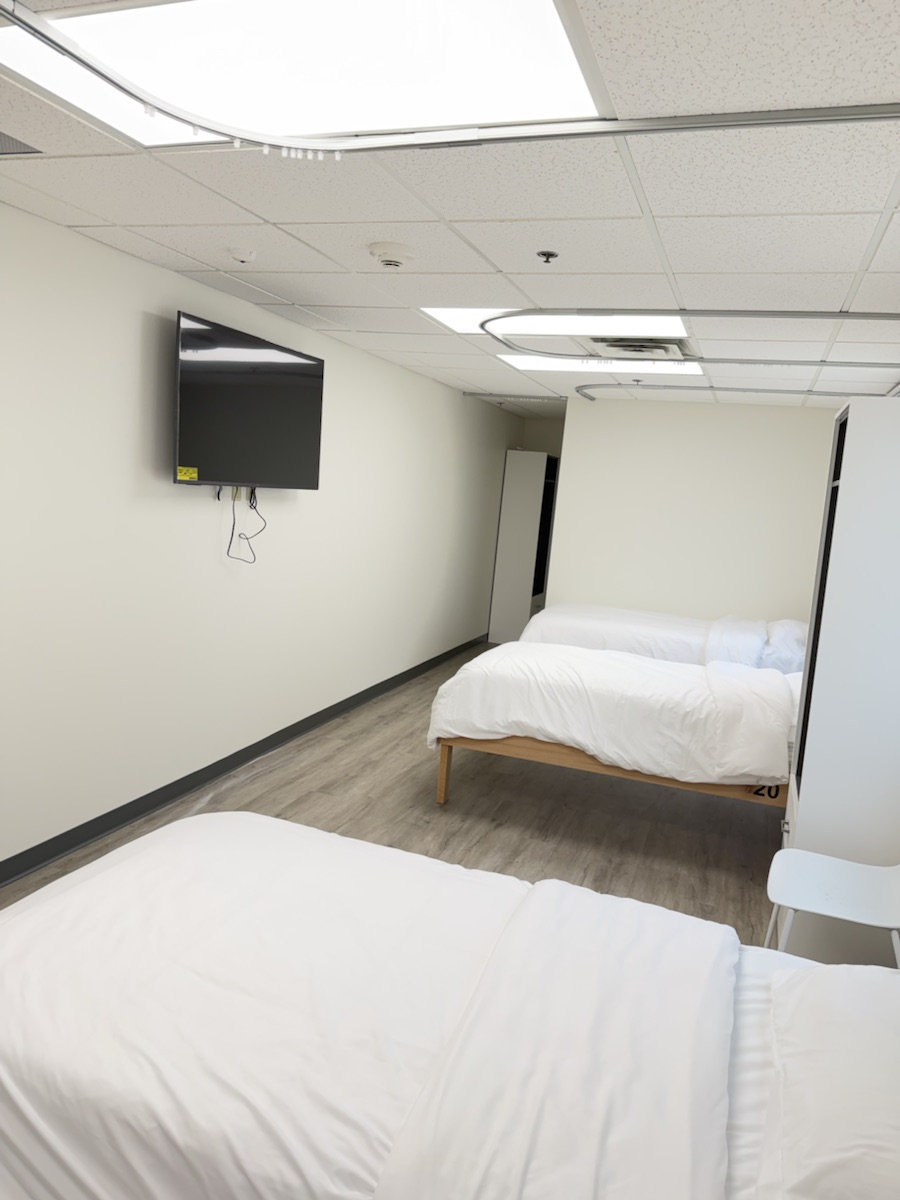
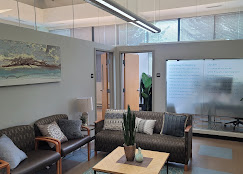
Recovery happens in a space. The room where you start healing matters. Pathway's facility was designed around that principle — clean, dignified, professional, and warm. Not clinical-cold, not institutional. Take a look around.

We restored the original embedded facility photography alongside the updated image set so families and referral partners can see a fuller picture of the environment clients actually enter.

Pathway exterior signage
Our front entrance and signage.
Consultation area
Consultation spaces designed for calm, private conversation.
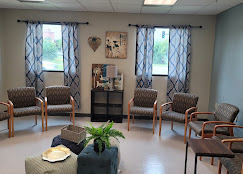
Group therapy room
Group therapy rooms where long-term healing takes shape.
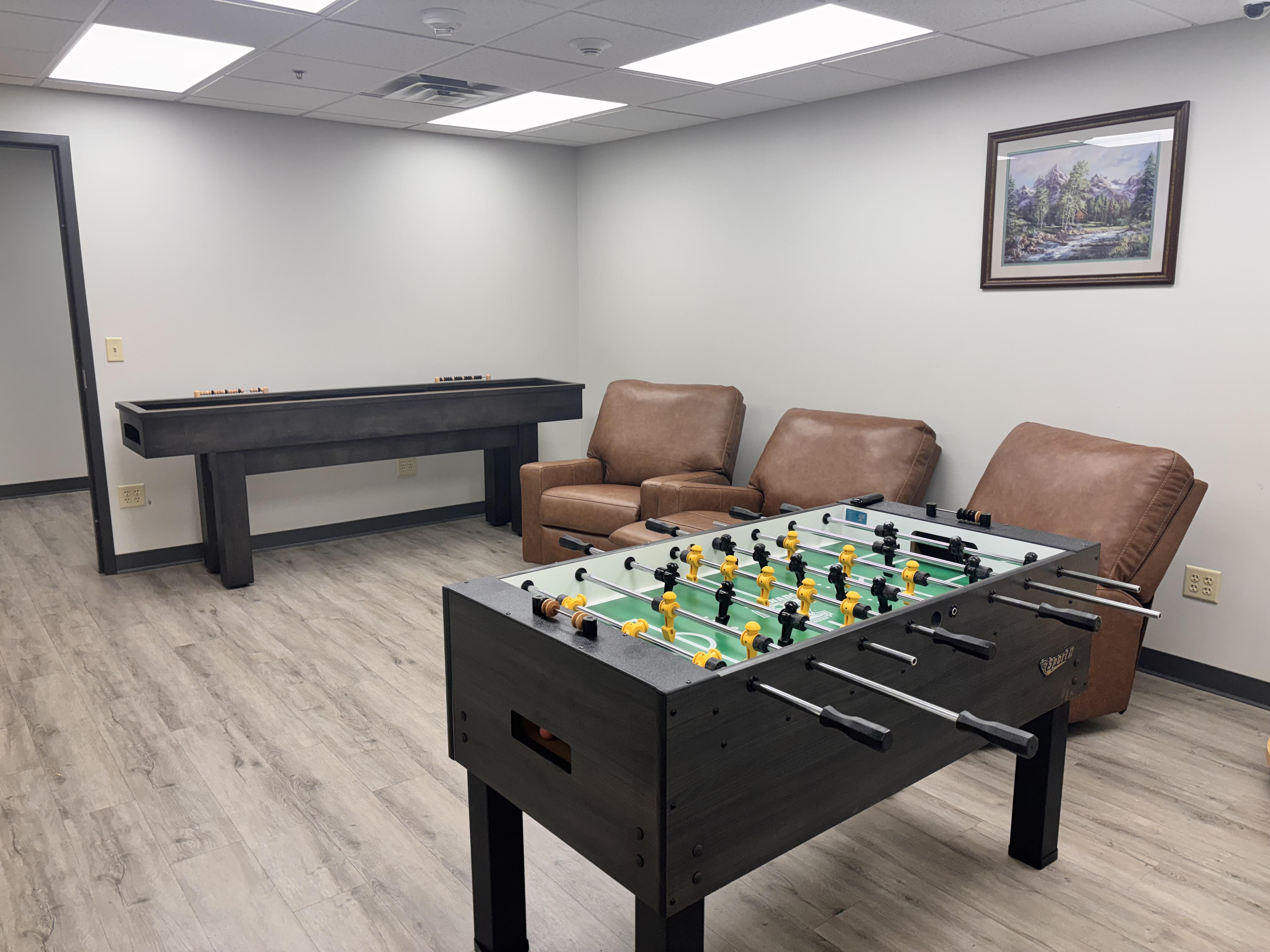
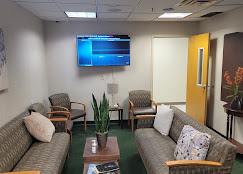
Client lounge area
Common areas for rest, community, and everyday rhythm.
Swimming pool partner facility
Phillips Community Center pool access for Pathway clients.
Reception Desk
Common Area
Program Area
Client Lounge
Original Group Therapy Room
Patient Room
Patient room prepared for safe, medically supported detox.
Double Room
Shared room option within the original facility gallery.

What you cannot see in photos: the staff. The trained, credentialed, compassionate people who work here. That is still the most important part of any facility.

Detox That Treats You Like a Person, Not a Patient.

Detox is the hardest physical part of recovery. Most facilities make it harder than it needs to be. Pathway's Detox program is built around dignity, comfort, and round-the-clock medical care — because the right environment makes the medication actually work.

  • 24/7 medical supervision — Licensed nurses and physicians available around the clock. Withdrawal is medically managed; you're never alone with it.
  • Comfort medications around the clock — We don't believe in unnecessary suffering. Symptoms are addressed proactively, not just reactively.
  • Family visits encouraged — Recovery isn't isolation. Family, parole officers, case managers, and approved visitors are welcome.
  • Phone access — You stay connected to your support system. We're not a black hole; we're a way station.
  • Smoke breaks every 2 hours — Practical, human, dignified.
  • Entertainment that actually helps — In-room TVs, iPads, board games, books. Boredom is one of the hardest parts of detox. We address it.
  • 30-bed co-ed facility — Designed at scale, but with private spaces and dignity-first room design.
  1. Day 1 — Intake & Assessment.
    You arrive, meet with our medical team, and we build a personalized detox plan based on your substance use history, medical conditions, and goals.
  2. Days 2-7 — Medically Managed Withdrawal.
    Comfort medications, hydration, nutrition, sleep support. You're not toughing it out — you're being treated.
  3. Days 7-10 — Transition Planning.
    Before you leave detox, your case manager has built your next step: outpatient program, methadone clinic, sober housing, or aftercare planning.

Who It's For

Anyone experiencing or anticipating withdrawal from alcohol, opioids, or other substances. Insurance accepted. Self-pay options available. No one is turned away based on ability to pay.

Ready to Start? Call — We Answer 24/7

Methadone Clinic, Done Right.

Medication-assisted treatment saves lives. But medication without counseling and support — handed out and sent home — misses the point. Pathway's methadone clinic pairs medication with counseling, case management, and the full continuum of recovery services.

Medication reaches people standard treatment keeps missing.

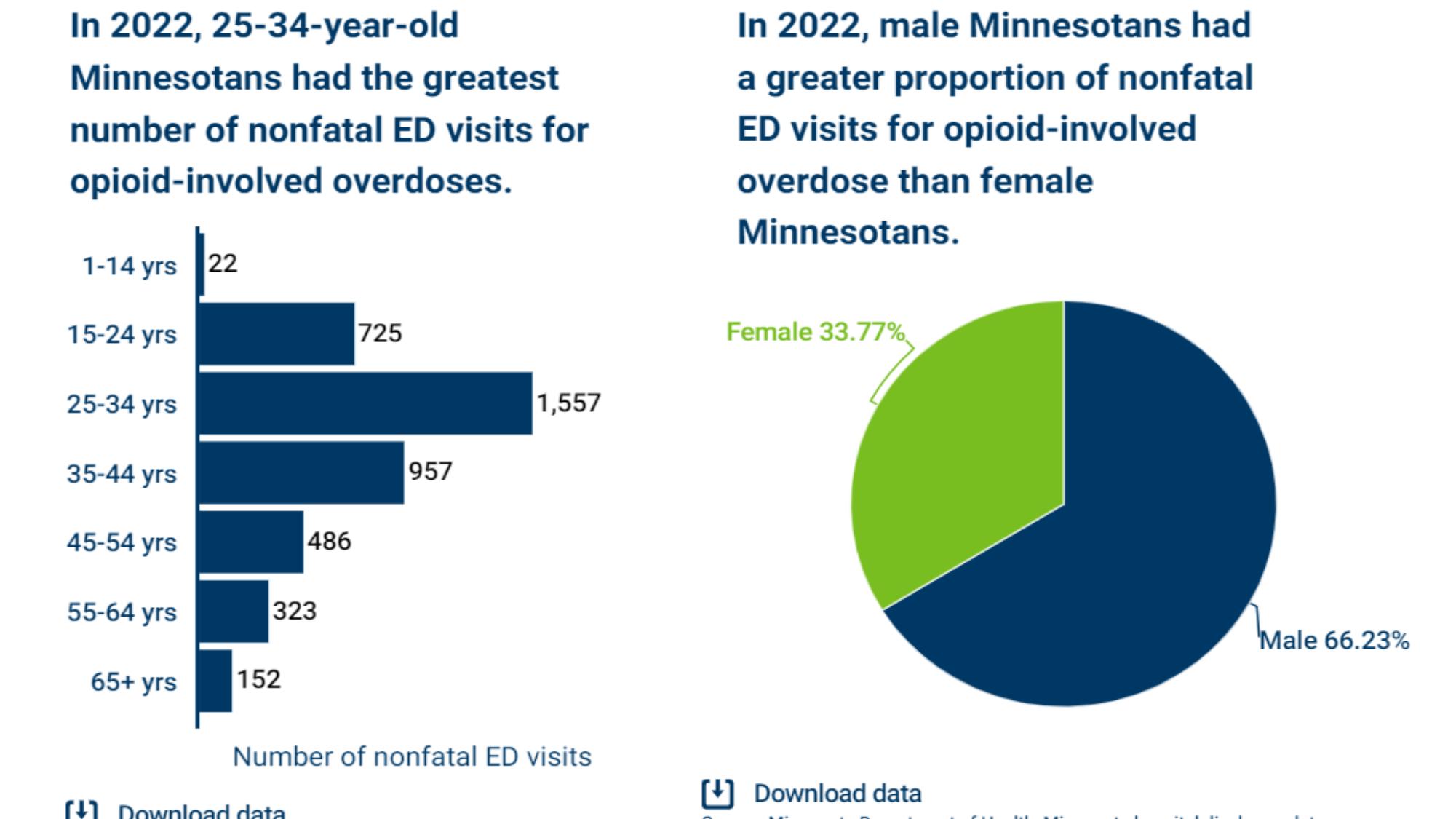
Opioid use disorder affects Minnesotans of every age and background, but the data shows concentrated impact in specific demographics. Adults aged 25-34 experience the highest rate of nonfatal opioid overdoses. Men account for nearly two-thirds of overdose-related ED visits. These are the people most likely to benefit from medication-assisted treatment — and the people Pathway's methadone clinic was built to reach.

Overdose demographics graph
Age distribution and gender of nonfatal opioid-involved overdose ED visits in Minnesota, 2022. Source: Minnesota hospital discharge data via MDH.

Opioid Treatment Program.

We provide both Buprenorphine (Suboxone) and Methadone through our licensed Opioid Treatment Program, with long-acting injectables coming soon.

Available Medications

Available Now

Suboxone

Buprenorphine

Available Now

Methadone

Daily medication support through the clinic.

Coming Soon

Sublocade

Buprenorphine monthly injection.

Coming Soon

Brixadi

Buprenorphine biweekly injection.

Coming Soon

Vivitrol I.M.

Naltrexone monthly injection.

MAT Pharmacy Hours

Mon-Fri 5:30am-11am | Sat 8am-10am | Sun Closed

Our Co-Occurring Services address mental health alongside addiction.

DD

Dual Diagnosis Assessment

Completed at inpatient intake to identify co-occurring mental health conditions.

RX

Psychiatry Connection

Direct referral to licensed psychiatrists for medication management.

MD

Medical Director Oversight

All clinical decisions supervised by our Medical Director.

  • Capacity for 600+ patients daily at full operation — We can take you. No long waitlists.
  • Medication options available now and coming soon — Suboxone (buprenorphine) and Methadone are available now, with long-acting injectable options including Sublocade, Brixadi, and Vivitrol I.M. coming soon.
  • Integrated counseling required — Medication alone doesn't fix substance use disorder. Every methadone clinic patient is connected to counseling — individual, group, or both.
  • Connection to social services — Housing instability, employment gaps, legal issues — all addressed through our integrated case management team.
  • Faith-based pathway available — For clients who want it, we offer a faith-integrated track through methadone clinic services and recovery.
  1. Medical assessment
    Comprehensive intake with our addiction medicine team.
  2. Medication selection
    Together with your doctor, choose the medication that fits your history and goals.
  3. Ongoing care
    Regular visits, medication adjustments as needed, and ongoing counseling.
  4. Long-term planning
    Medication treatment is often a long-term support. We plan with you for stability, not abrupt taper.

Who It's For

Adults with opioid use disorder, alcohol use disorder, or co-occurring substance use disorders. New to methadone treatment or transitioning from another provider — both welcome.

Enroll Myself

Outpatient Care That Adapts to Your Life.

Recovery doesn't pause for the rest of your life. Pathway offers three levels of outpatient care, from intensive to maintenance, so the right level of support is always available as you progress.

PHP

Best for: Step-down from detox or residential treatment.

Structure: 5-6 hours per day, 5 days per week, for 4-6 weeks.

Includes: Group therapy, individual counseling, psychiatry, case management.

What it feels like: Like a full-time job in recovery — structured, intensive, but you go home at night.

IOP

Best for: Patients ready for less structure, or step-down from PHP.

Structure: 3 hours per day, 3 days per week, for 8-12 weeks.

Includes: Group therapy, individual counseling as needed, peer support.

What it feels like: Recovery integrated into your regular life — work or school in the day, IOP in the evenings.

Low Intensity Outpatient

Best for: Long-term maintenance after IOP, or patients in stable recovery who want ongoing support.

Structure: 1-2 hours per week, ongoing.

Includes: Group therapy, occasional individual sessions, medication check-ins for methadone clinic patients.

What it feels like: A regular touchpoint with recovery community — keeping you accountable without dominating your week.

Why Group Therapy Works

The single most powerful element of outpatient recovery isn't the therapy room itself — it's the people in it. Group therapy works because addiction isolates, and recovery requires the opposite. You hear stories that sound like yours. You realize you're not uniquely broken. You build a community that holds you accountable.

Who It's For

Adults completing detox, stepping down from residential treatment, or seeking initial structured support without inpatient care.

We coordinate transportation for clients who need it. Distance is not a barrier to recovery.

Enroll Myself

The Six Months After Treatment Decide Everything.

We don't discharge you and forget about you. For 6 to 12 months after primary treatment, we walk with you — because the year after treatment often determines whether recovery lasts.

OUD treatment completion percentage graph
Percentage of OUD patients who did and did not complete treatment, Minnesota 2015-2021. By 2021, 71% of patients did not complete their treatment program. Source: DHS DAANES.

Seven out of ten patients with opioid use disorder do not complete their treatment. Among those who do, 85% relapse within a year — most within weeks of discharge.

“The standard treatment model treats the medical problem and ignores everything that caused the substance use in the first place. Pathway's aftercare exists to close that gap.”

What's Included

  • Housing Support — GRH partnerships, sober living referrals, and transitional residential support. Recovery without a roof rarely lasts.
  • Workforce Development & Job Placement — Summit Academy OIC pathways, MCTC options, and felony-friendly staffing agency connections.
  • GED Programs — Education pathways built directly into recovery planning.
  • Legal Expungement Support — Help navigating the Clean Slate Act and related legal pathways when eligible.
  • CPRS Services — Certified peers in recovery who can walk alongside clients in the vulnerable months after treatment.
  • Low-Intensity Counseling — Regular check-ins that continue therapeutic support without the intensity of active treatment.
  • Community Reintegration Support — Help reconnecting with family, sober social networks, faith communities, and daily structure.

The Research

Pathway is currently conducting a 3-year cohort study in partnership with Winona State University and Mayo Clinic Rochester, comparing standard treatment outcomes to integrated aftercare services.

Our hypothesis: clients receiving integrated aftercare services have longer sustained sobriety, lower relapse rates, and lower opioid-related mortality. We'll publish results when the data is complete.

Why It Matters

Recovery is more than detox. It's the year after — when housing, work, community, and accountability begin to matter more than crisis management.

Let's Talk About Your Full Plan

Meet People Where They Are. Keep Them Alive. Keep the Door Open.

Not everyone is ready for treatment today. Harm reduction is the work of keeping people alive and connected to care while they're not yet ready. It's deeply consistent with Pathway's mission: meet people where they are, treat them with dignity, and keep the door to recovery open for whenever they're ready.

The overdose landscape has changed faster than systems have.

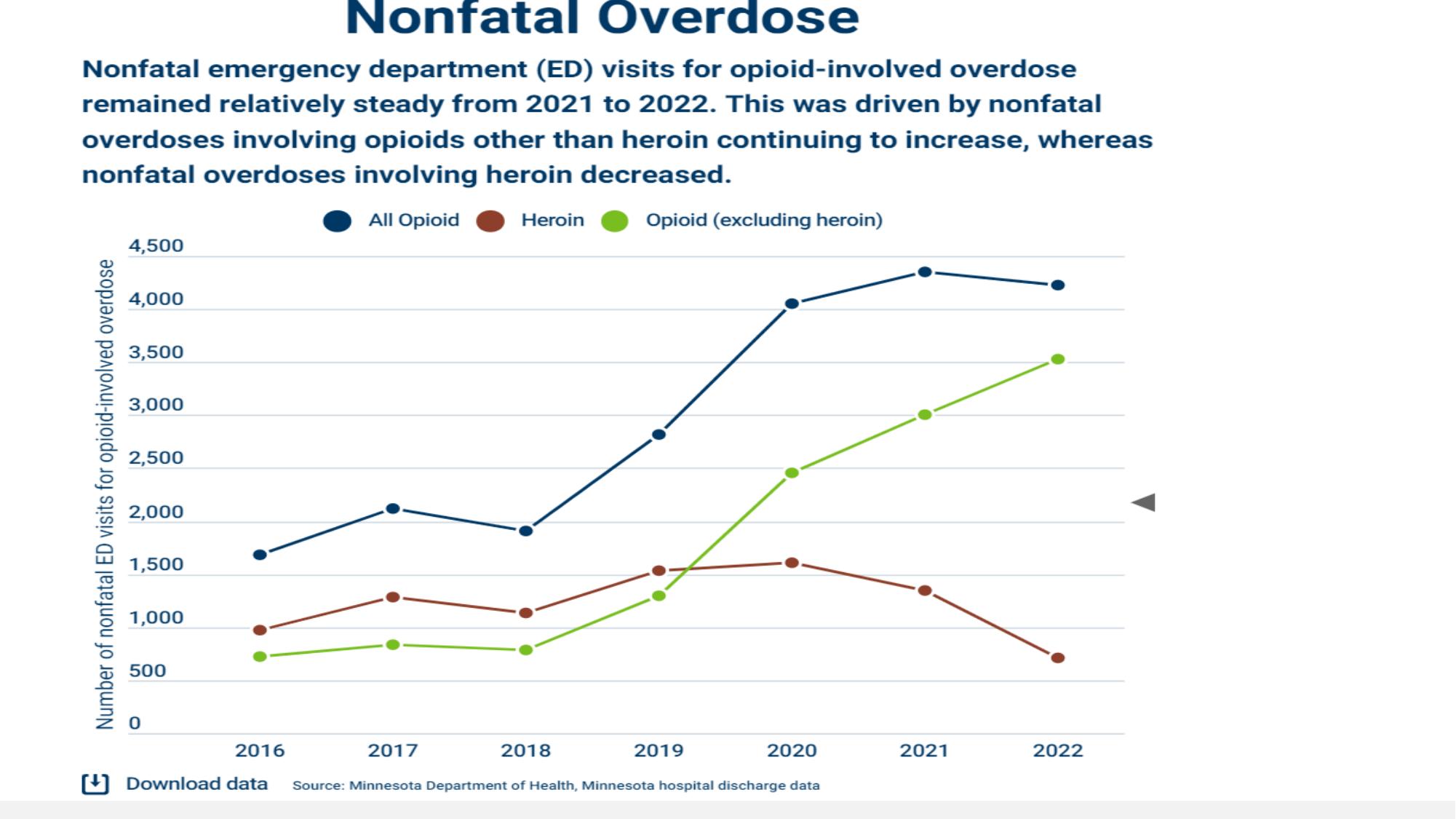
The composition of overdoses in Minnesota has shifted dramatically. Heroin-involved overdoses have decreased, but overdoses involving non-heroin opioids — primarily synthetic fentanyl — have climbed steeply. The crisis is changing faster than treatment systems can adapt. Harm reduction is how we keep people alive while treatment catches up.

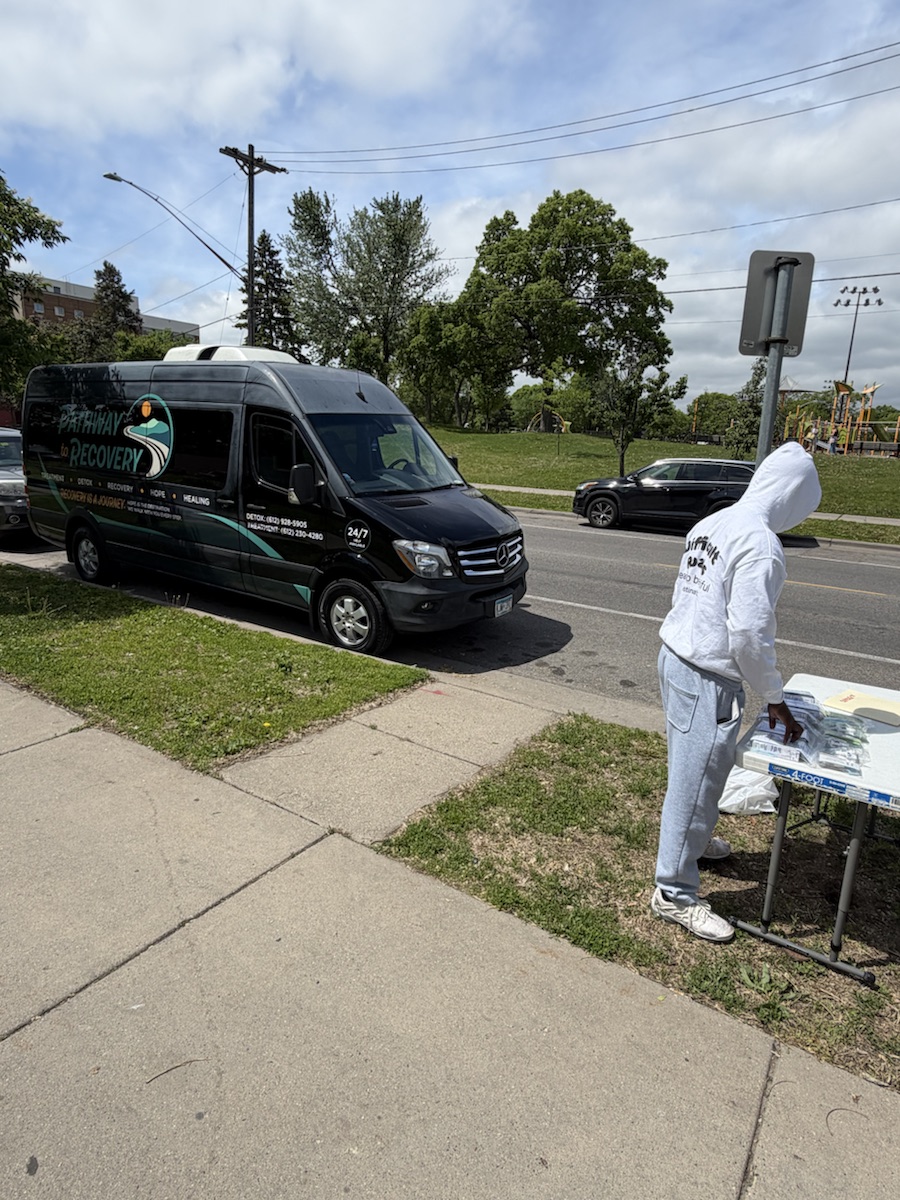
Pathway harm reduction outreach van and community supply table
Pathway outreach brings harm reduction supplies, education, and connection to care directly into the community.
Nonfatal opioid emergency department visits graph
Nonfatal opioid-involved overdose ED visits in Minnesota by drug type, 2016-2022. Source: Minnesota hospital discharge data via MDH.
  • Narcan Distribution — Free naloxone distributed to anyone who asks. No questions, no judgment.
  • Hygiene Kits — Soap, toothbrushes, basic medical supplies, wound care, and clean clothes. Recovery starts with feeling human.
  • Safe-Use Education — Information on safer practices, infection prevention, fentanyl test strips, sterile supplies, and referrals where direct provision is limited by law.
  • STI Prevention — Education, testing, and referrals for sexually transmitted infections.
  • 24/7 Call Center — Immediate help for overdose response information, treatment referrals, and access to resources.
  • Connection to Care — Every harm reduction encounter is also an open door into treatment, housing, and recovery services.

Federal law continues to prohibit certain harm-reduction approaches such as safe-injection sites. Pathway operates fully within state and federal law. Where direct supplies are not legally provided, we offer education, testing, and referrals to legally operating services.

Who It's For

Anyone using substances, anyone worried about someone they love, and anyone who needs immediate practical support without first enrolling in treatment.

Open 24/7 — Call Us

Built on Partnership.

Recovery is community work. Pathway operates within a network of healthcare systems, educational institutions, recovery service providers, and community partners. Together, we deliver more than any single organization could alone.

Training and opportunity are part of recovery.

Summit Academy OIC

Twenty-week accelerated career training at no cost to students. Carpentry, Electrician, IT Specialist, Medical Administrative Assistant, Financial Services, Dental Assistant, and GED programs. Average post-graduation salary around $45K.

Minneapolis Community & Technical College

College pathway partnerships for clients pursuing post-secondary education and longer-term career mobility.

Felony-Friendly Staffing Agencies

Direct placement partners focused on employment for clients facing barriers from past records.

Mayo Clinic Health System

Dr. Sadik A. Ali maintains an active appointment at Mayo Clinic. Clinical research partnership ongoing.

Winona State University

Active 3-year cohort study comparing standard substance use disorder outcomes to Pathway's integrated aftercare services.

Phillips Community Center

Recreational facility access for every Pathway client — pool, gym, sports, and group fitness.

Community Support Network

Pathway continues to coordinate with local housing, social service, and referral partners so clients can move from crisis care into stability without starting over.

The existing logo grid has been preserved below for operator review and future client expansion.

Talk to Someone Today.

Whether you're calling for yourself, a family member, or someone you serve professionally, our team is here 24/7 to help you take the next step.

We Answer 24/7.

Detox Hotline:
(612) 928-5905

Main Line:
(612) 230-4280

Primary Facility:
900 20th Avenue South
Minneapolis, MN 55404

Centers in the Continuum:
Medical Center · Prevention Services · Recovery Support

First step: Call us. We'll talk through what is happening, what level of care may fit, and how to enroll online or discuss payment options.

Send a Confidential Inquiry.

Questions Families and Clients Ask First.

Call us. We'll talk through the situation, explain the levels of care, and help determine whether detox, methadone clinic services, outpatient treatment, or harm reduction support is the best next step.
No. Insurance is helpful, but it is not the only path. We can verify benefits, discuss self-pay options, and help you understand what support may be available.
Yes, approved family visits are encouraged. Recovery works better when supportive people stay connected.
Most detox stays fall within a 7 to 10 day window, though timing depends on the substance involved, medical history, and how your body responds to treatment.
Call anyway. We'll walk through insurance, self-pay, and available support options with you. Financial uncertainty should not stop the conversation.
Treatment is confidential. We do not share your information without the appropriate consent except where disclosure is legally required.
Yes. Substance use treatment information is handled with strict privacy protections, and we treat every inquiry with discretion.
🏥
Pathway To Recovery
Chat Assistant — Online Now
🏥
Hi there! 👋 I am the virtual assistant for Pathway To Recovery.

I can answer questions about our services, book appointments, or connect you with our team. How can I help?